Why Sinking Foundation Repair in Independence Should Not Wait
Settling rarely stops on its own. Clay soil keeps swelling and shrinking with the seasons, and each cycle can push a weak spot a little further.
What causes foundations in Independence to sink?
The
North Carolina Geological Survey explains that even a small amount of soil expansion can damage a foundation. Around here, that clay combines with other common causes.
- Expansive clay that swells when wet and shrinks during droughts
- Poor soil compaction during the original build
- Erosion from downspouts and grading that send water toward the house
- Tree roots that pull moisture from the soil under footings
- Older homes built without modern footings
- Heavy additions placed on unstable fill
Smart Repair Strategies for Settling Metro Homes
The right fix depends on the house, the soil, and how far it has moved. Here is how ABI Corporation matches common problems to proven systems.
Which repair system fits my settling foundation?
Each option below transfers the weight of your home to deeper, more stable soil or supports it from below.
- Stop a heavy home from sinking: Steel push piers driven to load-bearing strata. Result: deep, permanent support.
- Support a porch or addition: Helical piers twisted into stable soil. Result: fast install with low vibration.
- Fix sagging interior floors: Crawl space jack posts under beams. Result: firmer, more level floors.
- Lift sunken sections: Hydraulic lift with real-time measurements. Result: closer to level, safely.
- Keep water from returning: Drainage and grading corrections. Result: less soil movement over time.
When to Call for Foundation Settlement Repair
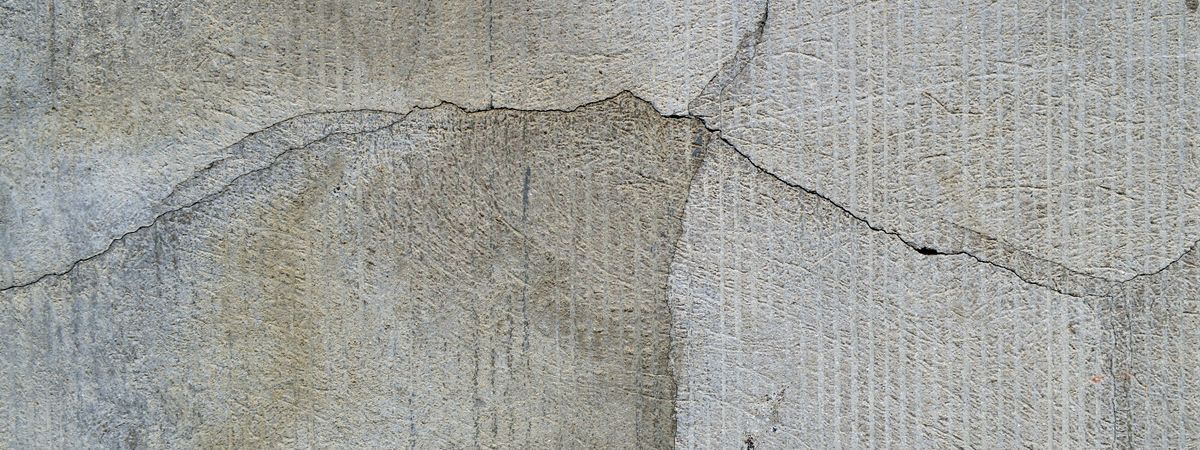
Some cracks are cosmetic. Others are early signs of active settlement, and those need attention quickly.
What warning signs mean my foundation is sinking?
If you see more than one of these signs in your home, schedule an inspection. Catching settlement early usually means a smaller, simpler repair.
- Stair-step cracks in brick or block walls
- Uneven or sloping floors
- Doors and windows that stick or will not latch
- Gaps between walls and ceilings or floors
- A chimney pulling away from the house
- Garage floors sinking or separating from walls
ABI Corporation serves the east side of the metro, including Raytown, Blue Springs, Lee's Summit, Kansas City, Raymore, Grandview, Belton, Gladstone, and Leawood, KS. Searching for foundation repair near me? Our crews are already working in your area.
What Makes ABI Corporation a Trusted Name in Local Foundation Repair
Homeowners want two things from a foundation company: an honest answer and a repair that lasts.
Why do Independence homeowners trust ABI Corporation?
ABI Corporation does not sell a single product. The team inspects your home, explains what is happening, and recommends the system that fits, with all installation handled in-house. That means the same crew that measures your home is the one that installs the piers, monitors the lift, and walks the finished job with you, so nothing gets lost between a salesperson and a subcontractor.
- Pier systems installed in Missouri and Kansas since 1969
- Inspections using laser levels, resistance testing, and visual checks
- Engineering review for pier depth, spacing, and type
- Final report with before and after photos
- Transferable warranty on pier systems
- Financing and phased options for larger projects
Stop the Sinking Before It Spreads
A sinking foundation only gets more expensive the longer it waits. ABI Corporation will inspect your home, show you what is moving and why, and give you a clear plan with no pressure. Piering costs typically range from $6,000 to $30,000 depending on size, depth, and pier type, and financing is available. Looking for a foundation contractor near me who gives straight answers?
Contact us to book your inspection.
ABI Corporation, 1271 NE Delta School Rd, Lee's Summit, MO 64064. Phone: (816) 795-0073.
Call today at (816) 795-0073 or schedule your inspection online.
Quick Summary
Sinking foundation repair in Independence MO usually starts with understanding why the home is settling. Expansive clay, poor compaction, drainage problems, tree roots, and heavy additions are the most common causes. Warning signs include stair-step cracks, sloping floors, sticking doors, and gaps around ceilings or chimneys. Repairs often use steel push piers for heavier homes, helical piers for porches and additions, and crawl space jack posts for sagging floors. Most jobs take two to five days, homeowners can usually stay home, and piering costs typically range from $6,000 to $30,000. ABI Corporation has installed pier systems since 1969 and backs them with a transferable warranty.
Key Takeaways
- Clay soil is the leading cause of settling across the metro.
- Stair-step cracks and sloping floors are early warning signs.
- Steel push piers suit heavier homes and deep settlement.
- Helical piers work well for porches, additions, and tight sites.
- Most piering jobs take two to five days.
- Fixing drainage helps keep settlement from returning.
- ABI Corporation backs pier systems with a transferable warranty.