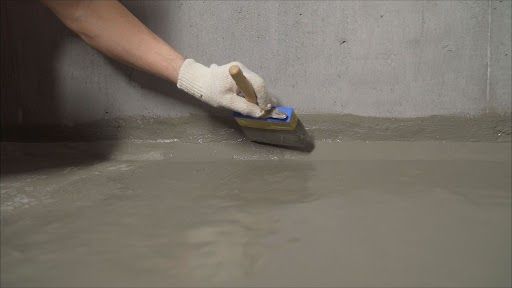
When a foundation starts to settle or a basement wall needs extra support, the fix usually comes down to one of three processes: driving structural piers beneath the footing, anchoring or bracing a bowed wall, or pouring new concrete to rebuild what has failed.
ABI Corporation has spent more than 55 years working on foundations across the Lee's Summit, MO area, and property owners often want to know exactly what happens once a crew arrives, not just why the work matters.
This guide focuses on what happens during the work itself, since a companion resource already covers how to spot foundation cracks and bowing walls in the first place. Understanding the process ahead of time helps homeowners in Lee's Summit, MO know what to expect before a crew ever sets foot on the property.
Quick Answers
How long does foundation pier installation typically take?
A typical residential piering project takes one to three days, depending on the number of piers required and how deep they must reach to find load-bearing soil or bedrock.
What is the difference between wall anchors and steel I-beams?
Wall anchors connect an exterior earth anchor plate through the basement wall, while steel I-beams brace the wall from inside the basement without disturbing the yard.
Does concrete pouring happen before or after piering?
It depends on the project. New construction footings and stem walls are poured before the structure is built, while concrete repairs or rebuilding may follow piering and underpinning once structural support is established.
How Does Foundation Pier Installation Actually Work?
Foundation pier installation is a mechanical process built around reaching soil or rock that will not shift under the weight of the structure. ABI Corporation's piering and underpinning systems service relies on either helical or push piers, and the choice between the two depends on the soil conditions and load requirements at a given property in Lee's Summit, MO.
- A crew excavates a small access point along the footing where each pier will be installed, exposing the area that needs support.
- Helical piers are turned into the ground like a large screw, with the crew monitoring torque readings to confirm the pier has reached load-bearing capacity.
- Push piers are hydraulically driven straight down in sections until they reach stable soil or bedrock, using the weight of the structure itself as resistance during installation.
- Once a pier is set, a bracket connects it to the footing, and the structure's weight is gradually transferred onto the new pier system.
What Should Homeowners Expect On-Site During Piering Work?
A piering project involves more equipment and more coordination than most homeowners anticipate, so knowing the general flow of a job day helps set expectations. Crews typically work section by section around the perimeter of the affected foundation rather than tackling the whole structure at once.
- Expect small excavation pits at each pier location, usually a few feet wide and deep enough to reach the footing.
- Hydraulic equipment for push piers or a rotary drive head for helical piers will be positioned at each access point throughout the day.
- Crews record depth and pressure readings at every pier to confirm each one meets the engineering specification for that location.
- Landscaping near the foundation is typically the only area disturbed, since piers are installed from outside the footing rather than through the home's interior.
How Do Wall Anchors and Steel I-Beams Stabilize a Basement Wall?
Basement wall stabilization addresses a different problem than a settling foundation. It focuses on a wall that is under lateral pressure from the soil outside, and ABI Corporation's basement wall stabilization service uses either an external wall anchor system or an internal steel I-beam depending on the yard space and access available at the property.
- Installing a wall anchor system starts with digging a small hole in the yard several feet from the foundation wall to set an earth anchor plate below grade.
- A steel rod connects that anchor plate through the wall to an interior wall plate, and the two are tightened over time to gradually counteract inward wall movement.
- Steel I-beam installation involves setting vertical beams against the interior basement wall, anchored into the floor slab below and the floor joists above, without any excavation in the yard.
- Both systems are designed to halt further wall movement and provide ongoing structural support rather than remove the wall itself.
Where Does Concrete Pouring Fit Into a Foundation Project?
Concrete work often runs alongside or after structural repair, particularly on a new addition or a section of foundation that needs to be rebuilt. ABI Corporation's new construction foundations service covers footings, stem walls, block foundations, and slab-on-grade pours, which cover most of the concrete pouring scenarios property owners in Lee's Summit, MO run into.
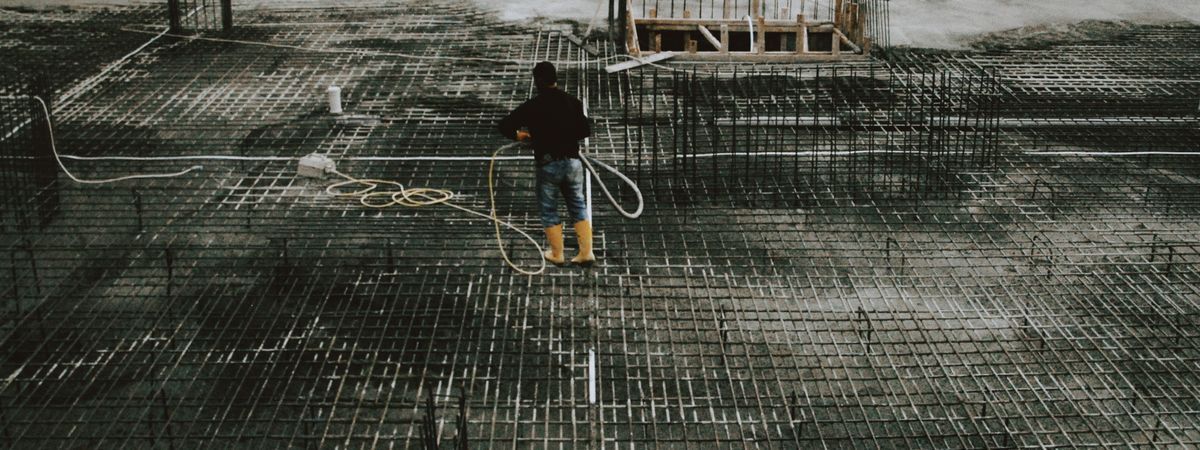
- Footing pours start with excavation to the required depth, followed by forming and reinforcing steel before the concrete truck arrives.
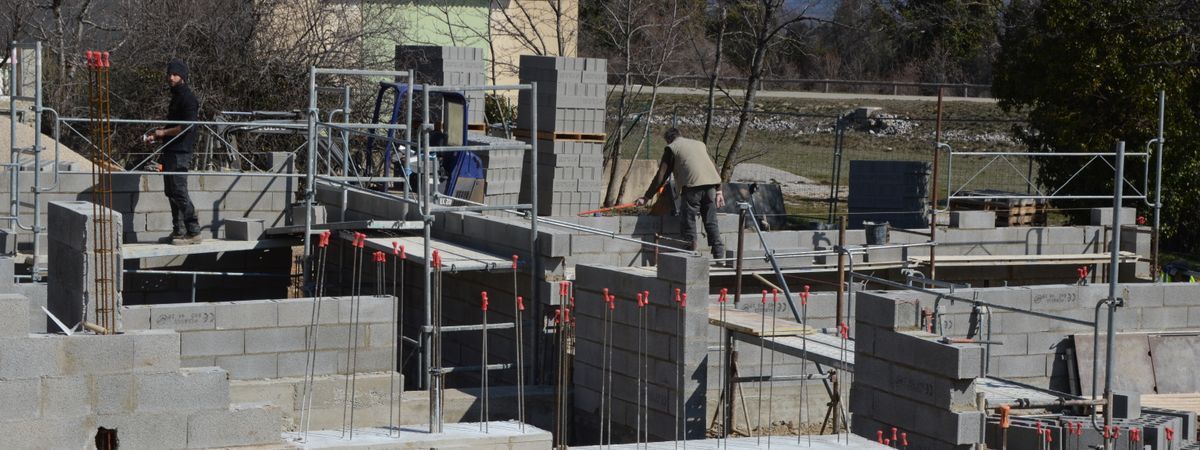
- Stem wall construction builds up from the footing to create the vertical foundation wall that will support the structure above.
- A slab-on-grade pour involves grading and compacting the site, laying a vapor barrier and reinforcement, and then pouring the slab as a single continuous surface.
- Curing time matters as much as the pour itself, since concrete needs several weeks to reach its full strength before it carries significant structural load.
What Happens After the Structural Work Is Complete?
Once piers are set, a wall is anchored or braced, or new concrete has cured, the project moves into a final review stage. This is where the crew confirms the work matches the engineering plan and walks the property owner through what was done.
- Excavated areas around piers or wall anchors are backfilled and graded to restore the yard as closely as possible to its original condition.
- A final inspection confirms that each pier, anchor point, or beam meets the load specifications set out before work began.
- Property owners receive documentation of the installed system, which matters for future home sales or insurance questions.
- Any interior finishes disturbed during steel I-beam installation are typically left ready for the homeowner to patch or refinish.
Why Work With a Local, Lee's Summit-Based Foundation Contractor?
Choosing a contractor rooted in the community matters when a foundation project depends on knowing local soil conditions and working within Missouri's building requirements. ABI Corporation is not a franchise, and it has been headquartered in Lee's Summit, Missouri since 1969, growing from a small family-run concrete service into a full-scale foundation company.
The company was founded on the belief that if you take care of people, they'll take care of you, which still shapes how projects are scoped and explained to homeowners.
Many employees have stayed with the company for years or decades, which means the crew arriving on-site often has deep familiarity with the region's soil and foundation types.
ABI Corporation is a certified, local foundation contractor that backs its piering, wall stabilization, and concrete work with engineered solutions rather than one-size-fits-all fixes.
Homeowners can reach the team directly through the contact us page or by calling (816) 795-0073 to schedule an on-site visit.
Frequently Asked Questions
1. How many piers does a typical foundation need?
The number of piers depends on the size of the affected area and the engineering plan for the property, since each pier is spaced to carry a specific share of the structure's load.
2. Will foundation pier installation damage my landscaping?
Small excavation pits are dug at each pier location, and crews backfill and grade those areas once installation is complete, so any disturbance is generally limited to the immediate work zone.
3. Can a bowing basement wall be stabilized without digging up the yard?
Yes. An internal steel I-beam system stabilizes a wall from inside the basement without any yard excavation, while a wall anchor system requires access to the yard outside the affected wall.
4. How long does concrete need to cure before it can bear a structural load?
Concrete gains strength over several weeks, and a foundation crew will factor that curing time into the project schedule before the new footing, stem wall, or slab is asked to carry significant weight.
5. Does ABI Corporation only work on existing foundations, or also new construction?
ABI Corporation handles both. Piering and wall stabilization address existing foundation and basement wall issues, while the new construction foundations service covers footings, stem walls, block foundations, and slab-on-grade pours for additions and new builds.
Quick Summary
Foundation pier installation, basement wall stabilization, and concrete pouring are three distinct processes that address different structural needs, and each follows its own on-site sequence. Helical and push piers are installed to transfer a structure's weight onto stable soil or bedrock, wall anchors and steel I-beams stabilize a basement wall from the yard or from inside the basement, and concrete pouring covers footings, stem walls, and slab-on-grade work for new additions or foundation rebuilds.
ABI Corporation, headquartered in Lee's Summit, Missouri since 1969, brings engineer-backed solutions and a stable, experienced crew to each of these processes for property owners across the Lee's Summit, MO area.
Key Takeaways
- Foundation pier installation uses either helical piers, which are turned into the ground, or push piers, which are hydraulically driven to reach stable soil or bedrock.
- A typical residential piering job takes one to three days depending on how many piers the engineering plan calls for.
- Basement wall stabilization relies on either an external wall anchor system set in the yard or an internal steel I-beam braced against the basement wall.
- Concrete pouring for new construction covers footings, stem walls, block foundations, and slab-on-grade pours, and it requires several weeks of curing time before it bears full structural load.
- Crews backfill and grade excavated areas once piering or wall anchor work is finished, limiting disturbance to the immediate work zone.
- ABI Corporation has been a locally-owned, non-franchise foundation contractor in Lee's Summit, Missouri since 1969, with many employees who have stayed with the company for years or decades.
- Property owners can reach ABI Corporation by calling (816) 795-0073 or visiting the contact us page to schedule an on-site evaluation.