Why Basement Wall Stabilization Matters in Lee's Summit
Basement walls are built to hold back soil, not to fight it every season. When clay gets saturated and freezes, the pressure can be more than an older wall was designed for.
What pushes basement walls out of place?
The
North Carolina Geological Survey notes that even a small amount of soil expansion can cause foundation damage. Around the metro, these forces are the usual suspects, and they affect newer homes too.
- Expansive clay soil that swells against the wall
- Hydrostatic pressure from poor drainage or high water tables
- Frost heave during hard freezes
- Improper backfill or poor original construction
- Tree roots or nearby concrete slabs adding pressure
- Years of small movements that add up
Smart Stabilization Strategies for Bowing Basement Walls
Every system below is designed to stop movement permanently. The best fit depends on how far the wall has moved and how you use the space.
Which stabilization system is right for my basement?
Here is how ABI Corporation matches common situations to the systems it installs. An inspector measures how far the wall has deflected before recommending anything, because a quarter inch and three inches call for very different fixes.
- Stop early bowing under 2 inches: Low-profile system, often one day. Result: nearly invisible once painted.
- Brace severe bowing of 2 to 4 inches: Steel I-beams secured to floor and joists. Result: permanent support, no digging.
- Spread pressure across the wall: Carbon fiber wall straps with epoxy. Result: thin, strong, minimal interior impact.
- Pull a wall back over time: Wall anchors with buried steel plates. Result: resists soil pressure, may straighten.
- Protect finished basements: Interior-only straps or I-beams. Result: less disruption to living space.
When to Call About a Bowing or Cracked Basement Wall
Wall problems tend to move slowly, then all at once. Catching them early keeps options open and costs down.
What warning signs should I look for?
If you notice any of these in your basement, schedule a free inspection. If the wall is moving but has not failed, stabilization is typically the best path.
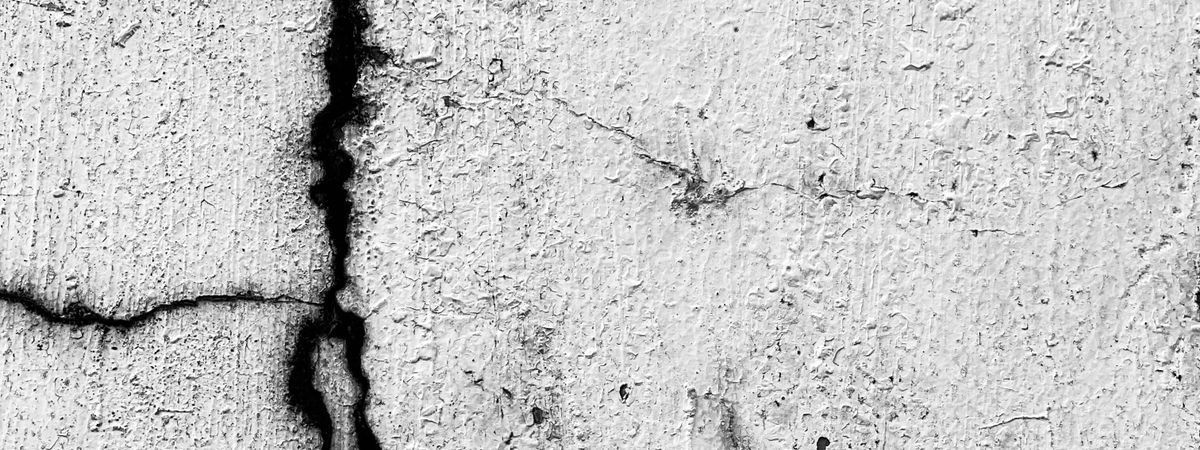
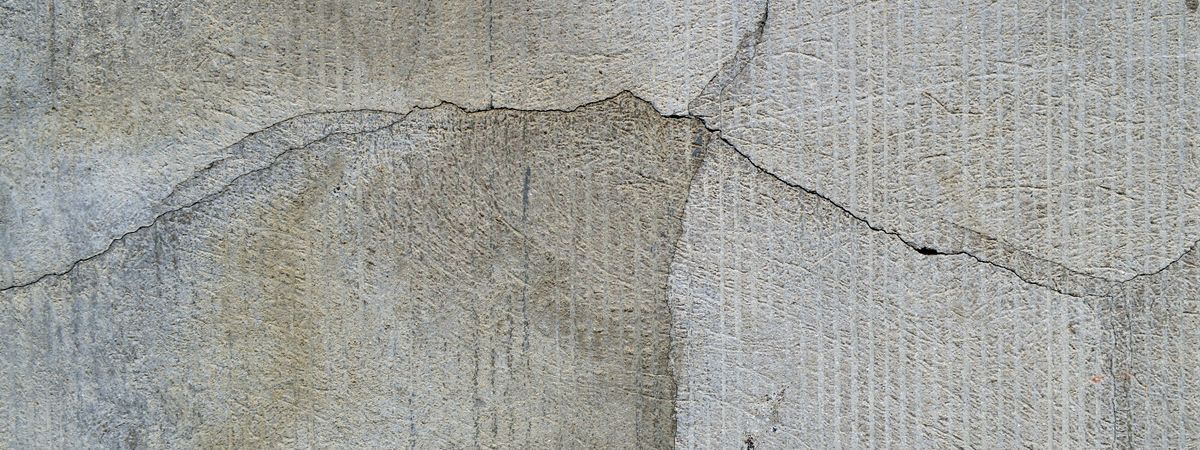
- Horizontal cracks, especially mid-wall
- Diagonal or stair-step cracks in block walls
- Inward bowing or bulging
- Musty smells or moisture near the walls
- Gaps between the floor and wall or ceiling and wall
- Tilted window frames or shifting trim
ABI Corporation serves homeowners in Blue Springs, Raymore, Kansas City, Independence, Raytown, Grandview, Belton, Gladstone, and Leawood, KS. If you have been searching for basement wall repair near me, our crews are already in your neighborhood.
What Makes ABI Corporation a Trusted Basement Wall Team in Lee's Summit
Homeowners want a clear answer, a fair quote, and a crew that respects the house. That is the standard ABI Corporation works to.
What does the stabilization process look like?
Every project follows four simple steps, with local crews who keep the work area clean and landscaping disruption to a minimum. You get a written explanation of what is happening to your wall, so you can make a decision without feeling rushed.
- Free inspection of deflection, movement, cracks, and moisture
- A custom written proposal with a recommended solution
- Installation by local crews with minimal disruption
- Final walkthrough with warranty options
- Five decades of experience in the metro
- No-pressure written estimates
Stop Your Basement Wall From Moving
A bowing wall does not fix itself, but it usually can be stabilized without major demolition. ABI Corporation will inspect your basement, measure the movement, and recommend the system that fits your home and budget, with a written estimate and no pressure. Looking for a foundation contractor near me who explains every option?
Contact us to schedule your free inspection.
ABI Corporation, 1271 NE Delta School Rd, Lee's Summit, MO 64064. Phone: (816) 795-0073.
Call today at (816) 795-0073 or schedule your free inspection online.
Quick Summary
Basement wall stabilization in Lee's Summit MO stops bowing and cracked walls from moving further. Expansive clay, water pressure, frost heave, and poor backfill are the usual causes, and newer homes are not immune. Warning signs include horizontal cracks, stair-step cracks, inward bowing, moisture, and shifting trim. Options include a low-profile system for early bowing, steel I-beams for severe bowing, carbon fiber wall straps, and wall anchors that require exterior digging. Most projects cost $2,000 to $8,000. ABI Corporation offers free inspections, written proposals, local crews, and warranty options, with systems designed to last the life of the home.
Key Takeaways
- Clay, water pressure, and frost push walls inward.
- Horizontal cracks mid-wall are a key warning sign.
- Low-profile systems handle early bowing under 2 inches.
- Steel I-beams brace severe bowing without digging.
- Carbon fiber straps are thin, strong, and installed inside.
- Only wall anchors require yard excavation.
- Most stabilization projects cost $2,000 to $8,000.