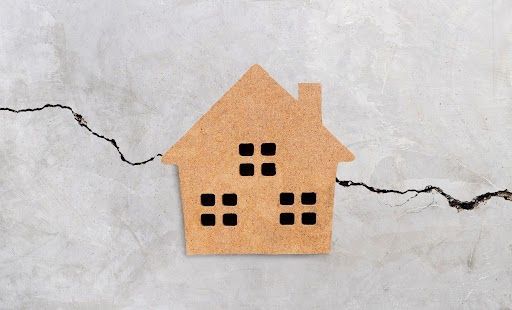
A house that has settled unevenly rarely fixes itself, and waiting usually means the repair gets more involved the longer it sits.
ABI Corporation has spent more than 55 years working on foundations throughout the greater Kansas City metro, and that regional footprint now covers homeowners in Gladstone, Raymore, Independence, and Raytown, Missouri, who are all dealing with the same underlying soil and drainage challenges.
The goal is simple: help homeowners recognize a problem early and understand what a proper leveling repair actually involves before it turns into a bigger, more expensive project.
Quick Answers
What are the first signs of a sinking or settling foundation?
The earliest signs are usually uneven or sloping floors, doors and windows that start sticking or no longer latch correctly, and small gaps opening up around interior trim or baseboards where the wall meets the floor.
How does house leveling with piers actually lift a home?
Helical or push piers are driven down to load-bearing soil or bedrock beneath the foundation, and once they reach that stable depth, a hydraulic lifting system attached to the piers gradually raises the settled portion of the foundation back toward its original, level position.
Is house leveling only needed for older homes?
No, while older homes in established neighborhoods often show settlement first, newer construction can develop the same issues if soil compaction, drainage, or grading around the foundation was not handled correctly during the original build.
Signs Your Foundation Is Sinking or Settling
Foundation settlement rarely shows up as one dramatic event. It tends to build gradually through small clues that are easy to dismiss individually but add up to a clear pattern once a homeowner starts paying attention.
- Floors that feel uneven, slope noticeably in one direction, or seem to bounce slightly when walked across often point to settled or unsupported framing beneath them.
- Doors and windows that stick, drag, or no longer latch the way they used to are a common early sign that the frame around them has shifted out of square.
- Gaps opening up around door and window trim, or between baseboards and the floor, usually mean the wall behind that trim has moved.
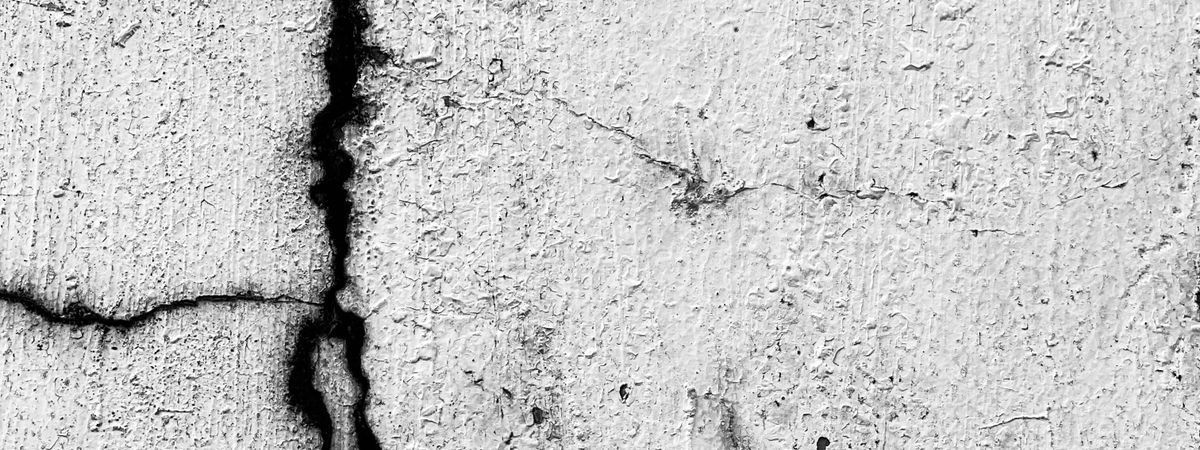
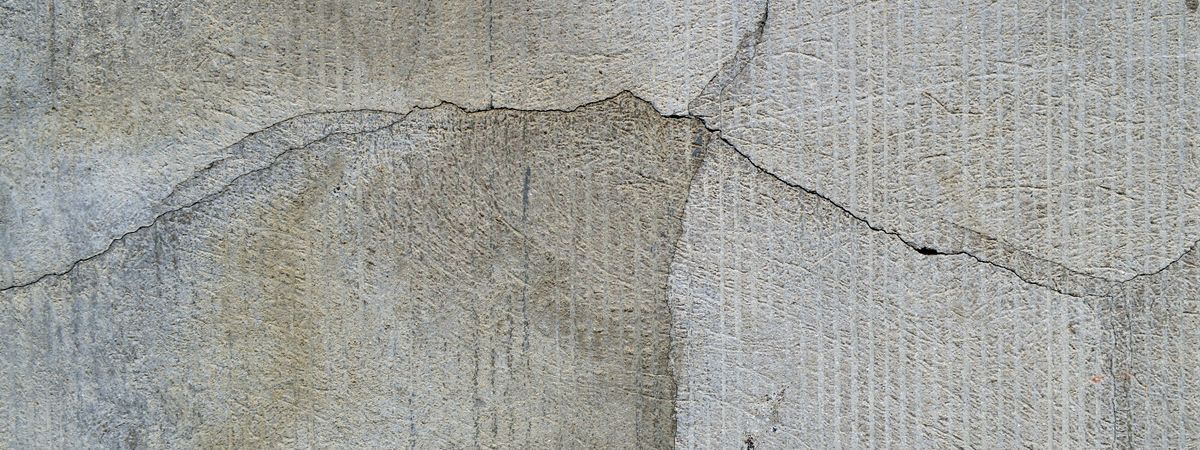
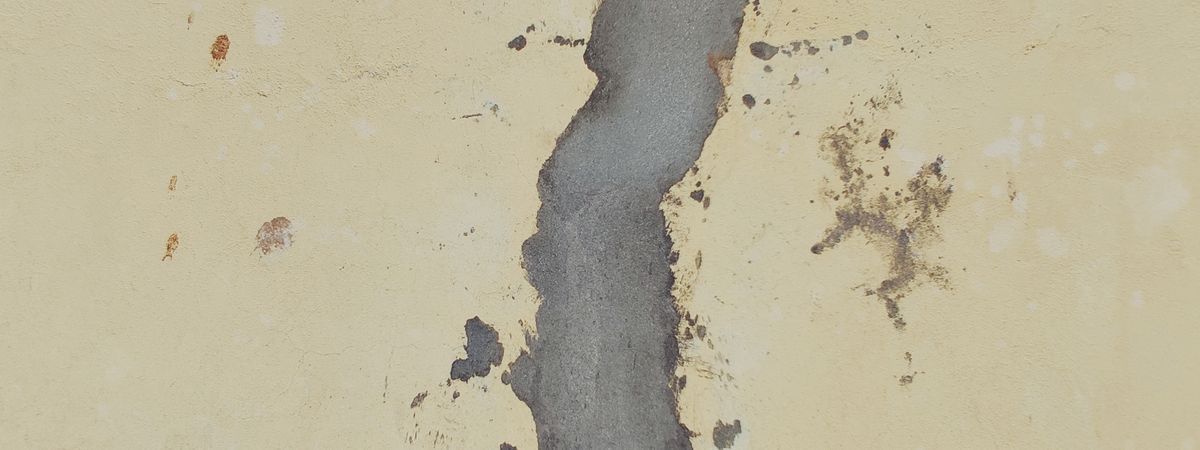
- Cracks appearing in drywall near corners, above doorways, or along staircases frequently trace back to the same settlement affecting the floors and trim.
How Helical and Push Piers Lift a Settling Foundation
Once settlement is confirmed, the next question is how a contractor actually corrects it without simply patching the surface. ABI Corporation's house leveling and foundation lifting approach relies on driving support down to stable soil rather than working only at the surface level.
- Helical piers use a screw-shaped design that is turned into the ground until it reaches load-bearing soil or bedrock, which makes them a strong option in areas with variable soil conditions.
- Push piers are hydraulically driven straight down through weaker soil layers using the weight of the structure itself, anchoring into deeper, more stable ground.
- Both pier types are engineered to transfer the weight of the foundation away from the shifting soil near the surface and onto material that will not continue to move the same way.
- A contractor typically selects between helical and push piers based on soil testing, the depth of stable soil on the property, and the specific area of the foundation that needs support.
What Precision Lifting Systems Add to the Process
Piers alone provide the support, but lifting the foundation back toward level requires a controlled, coordinated process on top of that support. This is where precision lifting systems come into play.
- Hydraulic lifting equipment attached to each installed pier allows a crew to raise sections of the foundation gradually rather than forcing it all at once.
- Lifting in careful, incremental stages helps reduce additional stress on framing, drywall, and finishes that are already compromised by the existing settlement.
- Multiple piers working together let a crew target specific corners or sections of a foundation instead of attempting to lift an entire structure uniformly when only part of it has sunk.
- Once the foundation reaches its corrected position, the piers remain in place to hold that level, providing long-term support rather than a temporary lift.
House Leveling Services Gladstone, MO Homeowners Can Count On
Gladstone, MO sits within the same clay-heavy soil belt that affects much of the northern Kansas City metro, and homes in established neighborhoods there commonly show the early settlement signs described above. House Leveling Services Gladstone, MO residents look for typically start with an on-site evaluation before any equipment goes into the ground.
- A foundation evaluation in Gladstone begins with identifying which sections of the home have settled and by how much, using measurements rather than guesswork.
- Homes with crawlspaces or basements in Gladstone may need different pier spacing depending on how the foundation was originally built.
- Property owners considering ABI Corporation's piering and underpinning systems get a plan that accounts for both the visible symptoms and the soil conditions causing them.
- Scheduling an inspection early, before doors stop closing entirely or cracks widen further, generally keeps the eventual repair more contained.
Foundation Piering Contractors Serving Raymore, MO
Raymore, MO, has seen substantial residential growth over the past two decades, and that mix of older and newer construction means settlement can show up in homes of very different ages. Foundation Piering Contractors in Raymore, MO need to account for that range rather than applying a single approach to every property.
- Newer homes in Raymore can still experience settlement if soil beneath the foundation was not properly compacted before the original pour.
- Established neighborhoods closer to the older parts of Raymore often show the same clay soil movement seen throughout the rest of the Kansas City metro.
- A piering contractor working in Raymore should be able to explain, in plain terms, why helical or push piers were chosen for a specific section of a home rather than defaulting to one method for every job.
- Homeowners can reach out through ABI Corporation's contact page to schedule an assessment before committing to any particular repair plan.
Sinking Foundation Repair in Independence, MO and Foundation Lifting in Raytown, MO
Independence, MO and Raytown, MO both sit within the greater Kansas City metro and share many of the same drainage and soil challenges that drive foundation settlement across the region. Sinking Foundation Repair in Independence, MO and Foundation Lifting in Raytown, MO often follow a similar path once an inspection confirms the cause.
- Homes in Independence with mature landscaping and established drainage patterns can still experience settlement if grading has changed gradually over the years.
- Raytown properties closer to older sections of the city sometimes show foundation issues tied to original construction methods that predate more modern drainage standards.
- A house leveling plan for either city typically pairs pier placement with an evaluation of how water moves around the foundation, since ongoing moisture problems can undermine even a well-executed lift.
- Homeowners in both Independence and Raytown benefit from working with a contractor whose staff has stayed with the company for years, since that consistency supports a more informed on-site assessment.
Frequently Asked Questions
1. How long does a typical house leveling project take?
Project length depends on how many piers are needed and how much of the foundation has settled, so ABI Corporation provides a timeline specific to each home after the initial inspection rather than a general estimate.
2. Can house leveling be done without excavating the entire foundation?
Yes, helical and push piers are installed at targeted points around the foundation rather than requiring excavation of the entire perimeter, which limits disruption to landscaping and surrounding structures.
3. Will house leveling close cracks that have already formed?
Leveling can reduce or close gaps created by settlement, but visible cracks may still need separate patching or sealing once the foundation has been lifted and stabilized.
4. Is it normal for a home to need leveling more than once?
It is uncommon once piers are properly installed and load-bearing soil has been reached, since the piers are designed to hold that corrected position permanently rather than needing repeated adjustment.
5. How do I know if I need helical piers or push piers for my home?
The choice between helical and push piers depends on soil conditions, the depth to stable ground, and the specific area of the foundation being addressed, all of which a contractor evaluates during the initial inspection.
Quick Summary
Homeowners across Gladstone, Raymore, Independence, and Raytown, Missouri, deal with many of the same foundation settlement signs, including uneven floors, sticking doors and windows, and gaps forming around trim, because these cities share similar soil and drainage conditions across the greater Kansas City metro.
House leveling with helical or push piers addresses the underlying cause by anchoring support into stable soil, while precision lifting systems raise the foundation back toward level in controlled stages rather than all at once. ABI Corporation brings more than 55 years of local, engineer-backed experience to that process, with piers selected based on each property's specific soil conditions and settlement pattern.
Catching the early warning signs and scheduling an inspection sooner rather than later generally keeps the repair more contained across any of these four communities.
Key Takeaways
- Uneven floors, sticking doors and windows, and gaps around trim are the earliest signs of a sinking or settling foundation.
- Helical piers use a screw-shaped design turned into stable soil, while push piers are hydraulically driven down using the structure's own weight.
- Precision lifting systems raise a foundation in controlled, incremental stages to reduce added stress on the structure.
- Gladstone, MO homes in established neighborhoods often show settlement tied to the same clay soil found throughout the northern Kansas City metro.
- Raymore, MO has both older and newer construction, so piering contractors need to evaluate each home's soil and build history individually.
- Independence, MO and Raytown, MO share drainage and soil challenges common across the region, and a leveling plan often addresses both together.
- Scheduling an inspection at the first sign of settlement generally keeps a house leveling repair more contained and less disruptive.