Not every crack in a basement wall means the same thing, and mistaking one type for another can lead a homeowner to ignore a problem that is quietly getting worse.
ABI Corporation has spent more than 55 years working in Lee's Summit, Missouri basements, and that experience means reading a crack pattern the way a mechanic reads an engine noise, quickly and correctly. A hairline vertical crack, a horizontal split, and a stair-step fracture in a block wall each point to a different cause and require a different fix.
This guide explains how Lee's Summit homeowners can identify different foundation cracks, how local soil and moisture cause them, and how epoxy, polyurethane, wall anchors, steel I-beams, and carbon fiber reinforcement solve each issue.
Quick Answers
What is the difference between a vertical and a horizontal foundation crack?
A vertical crack typically runs up and down and is often caused by normal concrete shrinkage or minor settling, while a horizontal crack runs side to side and usually signals that soil pressure is pushing against the wall from the outside.
Can a bowing basement wall be repaired without replacing the entire wall?
Yes, in most cases a bowing wall can be stabilized and often straightened over time using wall anchors, steel I-beams, or carbon fiber reinforcement instead of a full wall replacement.
Why do Lee's Summit homes see so many foundation cracks?
Lee's Summit sits on clay-heavy soil that expands when saturated with rain and contracts during dry stretches, and that constant swelling and shrinking places repeated stress on foundation walls year after year.
Identifying Vertical Foundation Cracks
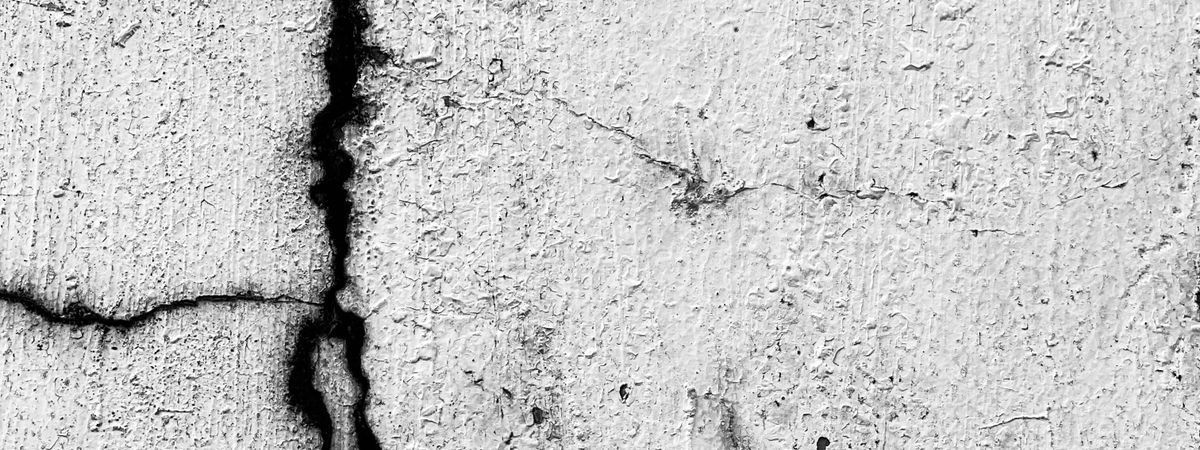
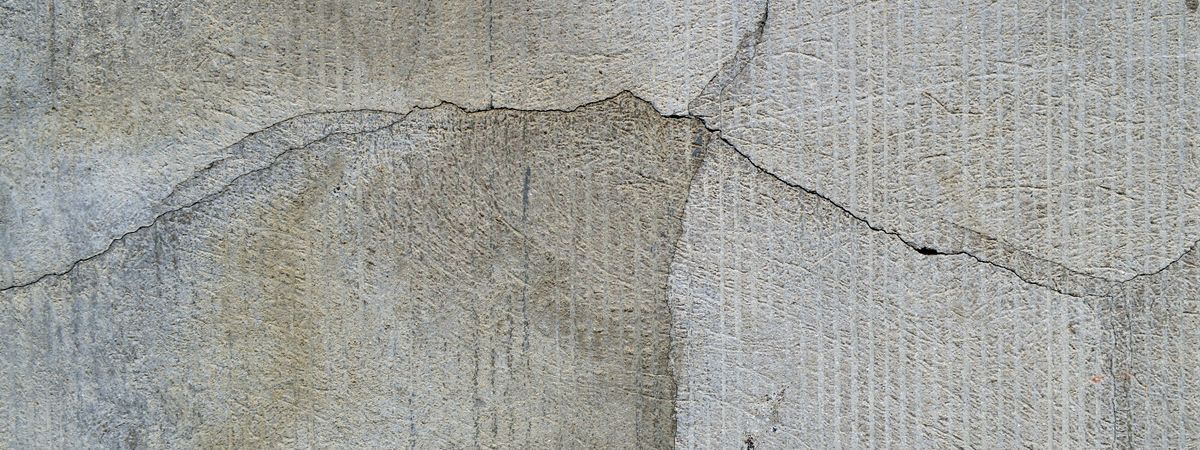
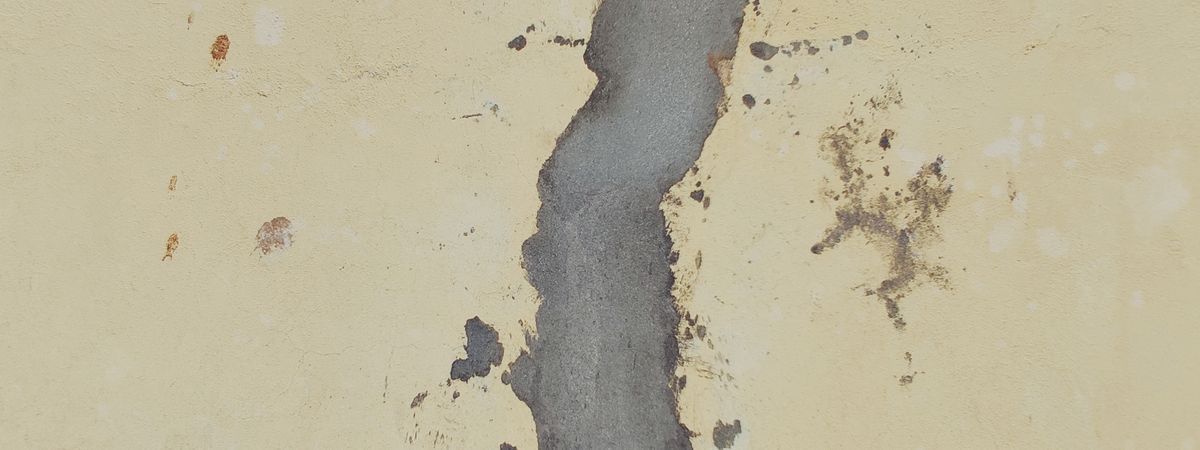
Vertical cracks are the most common type found in poured concrete foundation walls, and they are not automatically a sign of a serious structural problem. Even so, a vertical crack should never be assumed harmless without a closer look, since width, location, and moisture around it all matter.
- A vertical crack usually runs relatively straight from top to bottom or bottom to top and often forms from ordinary curing shrinkage in the concrete during the first year after a home is built.
- A vertical crack that widens near the top or bottom, or that has grown noticeably since it was first noticed, can indicate settling rather than simple shrinkage.
- Water seeping through a vertical crack after heavy rain is common in Lee's Summit and should be addressed before it leads to efflorescence, mold, or damage to stored belongings.
- ABI Corporation typically repairs these cracks with polyurethane injection when active water intrusion is present, since polyurethane expands to fill the crack and creates a flexible, watertight seal.
Understanding Horizontal Cracks and Bowing Walls
A horizontal crack is a different situation entirely from a vertical one, and it deserves faster attention because it usually points to outside soil pressure working against the wall. When that pressure continues unaddressed, the wall can begin to bow inward, which is a structural concern rather than a cosmetic one.
- A horizontal crack running across a basement wall, especially near the mid-height of the wall, often signals that expansive soil or hydrostatic pressure is pushing against the foundation from the exterior side.
- A bowing wall may show a visible inward curve, horizontal cracking along the bow, or a wall that no longer sits flush with the floor or ceiling.
- Left unaddressed, a bowing wall can continue to move inward over time, which is why homeowners searching for bowing wall repair in Lee's Summit are encouraged to have the wall evaluated as soon as movement is noticed.
- ABI Corporation's bowing wall repair service
uses wall anchors, steel I-beams, or carbon fiber reinforcement, chosen based on how much the wall has already moved and how much room is available on the exterior side of the home.
Recognizing Stair-Step Cracks in Block Foundations
Stair-step cracks look exactly like their name suggests, following the mortar joints between blocks or bricks in a diagonal, stepped pattern rather than a straight line. This crack pattern shows up most often in block or brick foundation walls and tends to reflect uneven settling somewhere along the foundation.
- A stair-step crack follows the horizontal and vertical mortar joints of a block wall in a zigzag pattern instead of cutting straight through solid concrete.
- This pattern often appears near corners or where the foundation has settled unevenly, since block construction tends to crack along its weakest points, the mortar joints, rather than through the block itself.
- A stair-step crack that is widening, combined with sticking doors or windows on that side of the house, suggests ongoing movement rather than a one-time event.
- Depending on width and moisture involvement, ABI Corporation addresses these cracks through the same foundation crack repair
process used on poured walls, with epoxy or polyurethane injection selected based on whether the crack is actively leaking.
Why Lee's Summit Soil and Moisture Drive These Problems
The cracks described above rarely appear without a reason, and in Lee's Summit that reason usually traces back to the ground the foundation sits on. Clay-heavy soil across the region behaves very differently wet versus dry, and that behavior is hard on concrete and block walls alike.
- Expansive clay soil common around Lee's Summit absorbs water during wet seasons and swells, pressing against basement walls with far more force than most homeowners expect.
- The same soil contracts and pulls away from the foundation during dry months, creating gaps that allow water to pool against the wall the next time it rains.
- This wet-dry cycle repeats every year, which means foundation stress in Lee's Summit is rarely a single event but rather an ongoing process that slowly widens cracks and pushes on walls over time.
- Grading, gutter placement, and downspout extensions around a home all influence how much of this moisture reaches the foundation, though addressing drainage in depth is a separate consideration from the structural repairs covered here.
How ABI Corporation Diagnoses and Repairs Each Crack Type
Every repair recommendation starts with an in-person evaluation rather than a guess based on a description over the phone. A trained technician measures crack width, checks for active water intrusion, and looks at the broader wall for signs of movement before recommending a specific repair method.
- Epoxy injection is typically used on non-moving, structural cracks where the goal is to restore the strength of the concrete itself rather than manage water.
- Polyurethane injection is the preferred choice when a crack is actively leaking, since the material expands on contact with moisture and creates a lasting, flexible seal.
- Wall anchors are installed for walls with early to moderate bowing, using anchor plates on the interior tied to the soil beyond the affected zone to apply counter-pressure against the wall.
- Steel I-beams and carbon fiber reinforcement are reserved for walls that need direct structural support along their height, with the choice between the two often depending on how much the wall has already moved and how much interior clearance a homeowner wants to preserve.
What to Expect When Scheduling a Repair
Homeowners noticing any of the crack patterns above do not need to diagnose the problem themselves before reaching out. A straightforward evaluation is the starting point for every project, regardless of how minor or serious the crack initially appears.
- An evaluation typically includes measuring the crack, checking for water staining or active leaks, and examining the surrounding wall for bowing or other movement.
- ABI Corporation explains the recommended repair method in plain language, including why a particular injection material or reinforcement system was chosen for that specific crack.
- Homeowners can review the company's background and decades of local experience on the About ABI page
before scheduling a visit.
- Reaching the team directly through the Contact Us page
or by phone at (816) 795-0073 is the fastest way to get a crack or bowing wall looked at before it worsens.
Frequently Asked Questions
How do I know if a foundation crack is serious or just cosmetic?
A crack under about one-eighth of an inch that is not growing and shows no water intrusion is often minor, while a wider crack, one that is actively leaking, or one paired with a bowing wall or sticking doors should be evaluated by a professional promptly.
Does ABI Corporation repair both poured concrete and block foundation walls?
Yes, ABI Corporation repairs cracks in both poured concrete foundations and block or brick foundations, matching the repair method, such as epoxy injection, polyurethane injection, wall anchors, or reinforcement, to the specific wall type and crack pattern.
Will a repaired crack come back after the repair is finished?
A properly diagnosed and repaired crack, using the correct injection material or reinforcement for that specific cause, is designed to hold long term, though ongoing soil movement elsewhere on the foundation can still create new, unrelated cracks over time.
How urgent is it to fix a bowing basement wall?
A bowing wall should be addressed as soon as it is noticed, since continued inward movement can worsen without intervention and the repair options available may become more limited or costly the longer the wall is left unsupported.
Can I have a crack evaluated without committing to repair work right away?
Yes, an evaluation is simply the first step to understand what is causing a crack and what options exist, and homeowners are free to review the recommendation before deciding how to move forward.
Quick Summary
Foundation cracks in Lee's Summit, MO homes generally fall into three categories: vertical, horizontal, and stair-step, and each points to a different underlying cause tied to the region's expansive clay soil and seasonal moisture swings.
ABI Corporation, a locally-owned, certified foundation contractor rooted in Lee's Summit since 1969, diagnoses each crack type in person and matches the repair, whether epoxy injection, polyurethane injection, wall anchors, steel I-beams, or carbon fiber reinforcement, to the specific problem found.
Homeowners noticing cracking or a bowing wall are encouraged to schedule an evaluation before the movement progresses further.
Key Takeaways
- Vertical cracks often stem from ordinary concrete shrinkage, though widening or leaking versions still need evaluation.
- Horizontal cracks usually signal exterior soil pressure and are a stronger warning sign than vertical cracks.
- A bowing wall shows a visible inward curve and should be treated as a structural concern rather than cosmetic damage.
- Stair-step cracks follow mortar joints in block walls and often reflect uneven settling near corners.
- Lee's Summit's expansive clay soil swells and shrinks with the seasons, placing repeated pressure on foundation walls year after year.
- ABI Corporation matches each crack type to a specific repair method, including epoxy injection, polyurethane injection, wall anchors, steel I-beams, and carbon fiber reinforcement.
- An in-person evaluation is the first step toward an accurate diagnosis and a repair built to last.